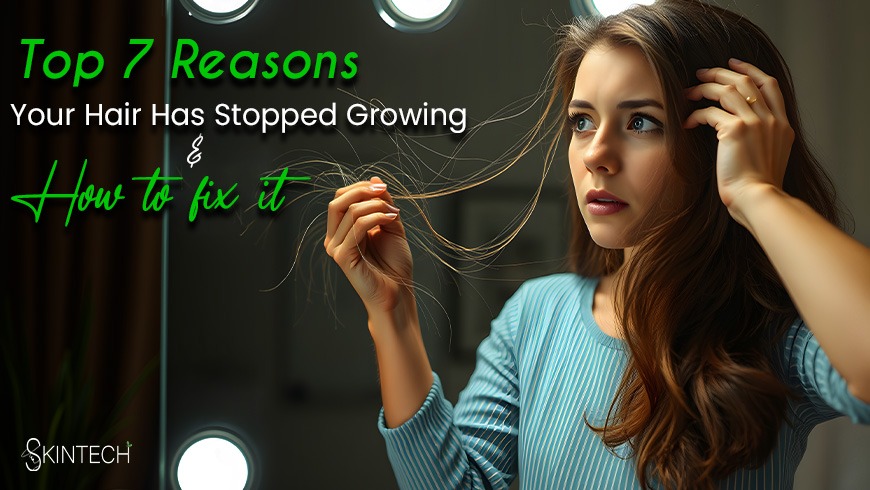
You’ve tried oils. You’ve switched shampoos. You’ve waited patiently. Yet your hair feels stuck at the same length for months. Sound familiar?
One of the most common complaints people have is, “Why has my hair stopped growing?” It’s frustrating, especially when you’re putting in effort but seeing zero progress. The truth is, in most cases, your hair hasn’t actually stopped growing; something is interfering with visible length retention.
Hair typically grows about half an inch per month. If you’re not seeing that progress, there’s usually a reason behind it. It could be breakage, stress, poor scalp health, hormones, or even the products you’re using daily.
The good news? Most hair growth problems are fixable. Once you identify the root cause, you can adjust your routine and start seeing results again.
Let’s break down the top 7 reasons your hair has stopped growing, and more importantly, how to fix each one.
How Hair Growth Actually Works
Before fixing the issue, it helps to understand how hair growth works. Hair grows in three main phases:
- Anagen (Growth Phase): This is when your hair actively grows. It can last 2–7 years.
- Catagen (Transition Phase): A short phase where growth slows down.
- Telogen (Resting Phase): Hair eventually sheds and makes room for new growth.
If too many hair follicles shift into the resting phase at once, growth appears to stall. This can happen due to stress, illness, diet changes, or hormonal shifts.
7 Reasons Your Hair Has Stopped Growing
Now, let’s look at the real reasons your hair has stopped growing.
1. Excessive Hair Breakage
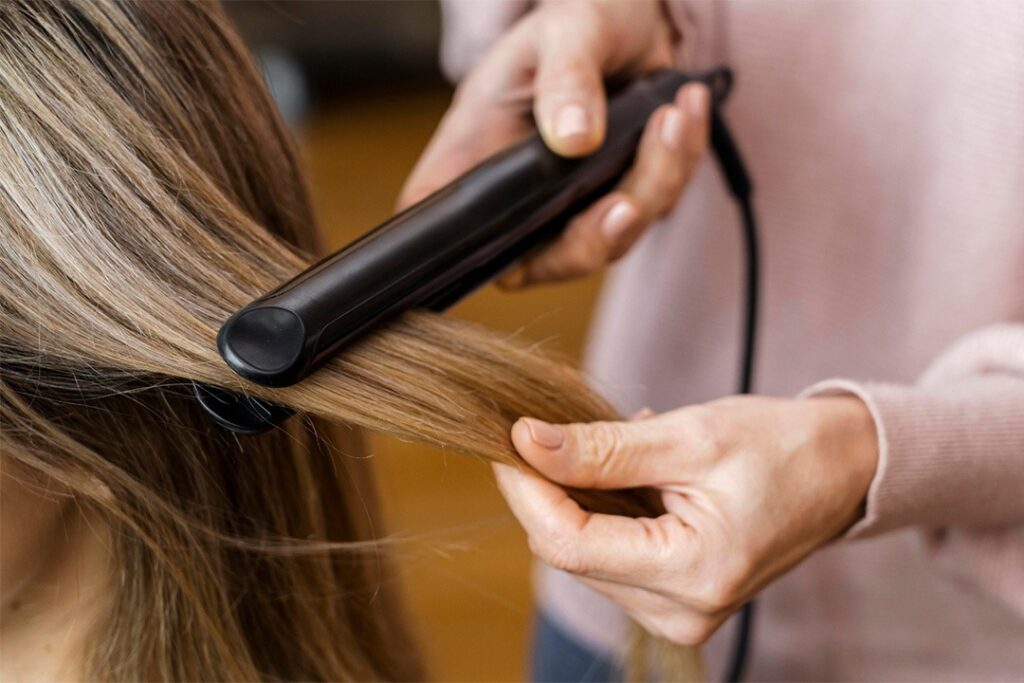
Many people assume their hair has stopped growing, but in reality, it’s breaking off at the same rate it’s growing. That’s why length seems stuck. The signs of breakage are split ends, thin ends compared to roots, rough texture, and hair snapping easily when brushed.
How to Fix It
To fix excessive hair breakage, follow these tips.
- Reduce heat styling
- Trim split ends regularly
- Use a strengthening shampoo
- Avoid tight hairstyles
Switching to a strengthening formula like Peptifix Molecular Shield Volumizing Shampoo can help reinforce strands and reduce breakage. A good shampoo doesn’t just clean your scalp, but it also protects your hair structure. Get the molecular protection your hair deserves, now at 10% OFF for a limited time.
2. Poor Scalp Health
Think of your scalp as soil and your hair as a plant. If the soil isn’t healthy, growth slows down. Buildup from oils, sweat, and styling products can clog follicles. This leads to slow hair growth, which many people overlook.
How to Improve Scalp Health
To improve your scalp health:
- Wash regularly based on your hair type
- Massage your scalp to improve circulation
- Use lightweight, non-clogging products
A healthy scalp equals better hair growth. It’s that simple.
3. Nutritional Deficiencies
Hair growth requires nutrients. If your body lacks iron, protein, zinc, or vitamin D, hair can thin or grow slowly. Common signs include:
- Increased shedding
- Brittle strands
- Dull texture
Simple Fixes
- Increase protein intake
- Add leafy greens and nuts
- Consider supplements (after medical advice)
Hair is not essential for survival, so when nutrients are low, your body prioritizes other organs first.
4. Hormonal Imbalances
Hormones play a major role in hair growth problems. Conditions like thyroid disorders, PCOS, or postpartum hormonal shifts can disrupt the growth cycle.
If your hair thinning and breakage comes with irregular periods, fatigue, or sudden weight changes, hormones might be involved.
What You Can Do
- Consult a healthcare provider
- Get blood work done
- Follow a balanced diet
Treating the root cause often restores normal growth patterns.
5. Chronic Stress and Lifestyle Factors
Stress doesn’t just affect your mood; it affects your hair. Chronic stress can push follicles into the resting phase prematurely, leading to noticeable thinning. Sleep deprivation and poor lifestyle habits also slow down growth.
How to Manage It
- Prioritize sleep
- Exercise regularly
- Practice relaxation techniques
Your body functions as a whole. Healthy habits show up in your hair.
6. Overwashing or Using the Wrong Products
Using harsh shampoos can strip natural oils and damage strands. On the other hand, not washing enough can clog follicles.
Look for formulas that support scalp health and strengthen hair fibers. A balanced option like Peptifix Molecular Shield Volumizing Shampoo helps cleanse while supporting strand structure, making it a practical addition to a hair care routine for growth. Avoid products loaded with harsh sulfates if your hair is already fragile.
7. Heat Styling & Chemical Damage
Frequent straightening, curling, bleaching, or coloring weakens hair over time. Damaged hair not growing is often just severely broken. The outer layer becomes fragile, and strands snap before gaining visible length.
Repair and Prevention
- Limit heat tools
- Use heat protectant
- Deep condition weekly
- Trim damaged ends
Healthy hair retains length. Damaged hair loses its shine.
10 Tips to Stop Hair Fall
If your hair has stopped growing or feels stuck at the same length, don’t rush into extreme treatments. In many cases, natural adjustments to your routine can help restore healthy growth. Hair responds to care, nutrition, and patience. When you focus on the basics and stay consistent, progress usually follows.
Here’s how to fix hair growth issues.
- Eat a Balanced Diet: Include protein, iron, zinc, and vitamins to nourish hair from within.
- Use Gentle Shampoos: Opt for sulfate-free or strengthening formulas to reduce breakage.
- Avoid Excessive Heat: Limit blow-drying, straightening, and curling to prevent damage.
- Massage Your Scalp: Improves blood circulation and stimulates hair follicles.
- Trim Regularly: Removing split ends prevents breakage and keeps hair healthy.
- Reduce Stress: Practice meditation, yoga, or deep breathing to lower stress-related shedding.
- Stay Hydrated: Drinking enough water keeps hair and scalp hydrated.
- Limit Chemical Treatments: Avoid frequent coloring, bleaching, or perming.
- Protect Hair While Sleeping: Use silk pillowcases or tie hair loosely to reduce friction.
- Strengthen with Treatments: Use hair masks, protein treatments, or volumizing shampoos like Peptifix Molecular Shield Volumizing Shampoo to reduce falls and improve strand resilience.
When to See a Doctor
If you notice sudden heavy shedding, bald patches, or no improvement after lifestyle changes, consult a dermatologist. Underlying conditions require professional evaluation.
Frequently Asked Questions (FAQs)
Q1: What is the reason for the hair growth stop?
Ans. Your hair may not grow for numerous reasons. Genetics, breakage, scalp disorders, stress, and nutritional inadequacies can cause non-growing hair. Nurture your scalp, use the correct products, and avoid heat, overprocessing, and harsh ingredients for longer, stronger hair.
Q2: Does shampoo affect hair growth?
Ans. Yes. A good shampoo supports scalp health and reduces breakage.
Q3: How long does it take to fix hair growth problems?
Ans. Visible improvement usually takes 2–3 months with consistent care.
Q4: Which organ is linked to hair loss?
Ans. Hair follicles can be affected by liver disease. Poor liver function may make it difficult to digest hair-healthy nutrients. This can weaken hair follicles, thin hair, or cause hair loss.
Q5: Why has my hair stayed the same length for years?
Ans. Your hair may not grow due to genetics and age. As you age, heat styling, processing, bleaching, colouring, and a poor diet may weaken your hair.
Q6: Can stress permanently stop hair growth?
Ans. No, but chronic stress can slow growth temporarily. Once managed, normal growth often resumes.
Final Thoughts
If your hair has stopped growing, don’t panic. In most cases, the issue is breakage, scalp health, or daily habits. Once you address the real cause, progress returns.
Small adjustments, better nutrition, less heat, and the right shampoo make a noticeable difference over time. Stay patient. Hair growth rewards consistency.